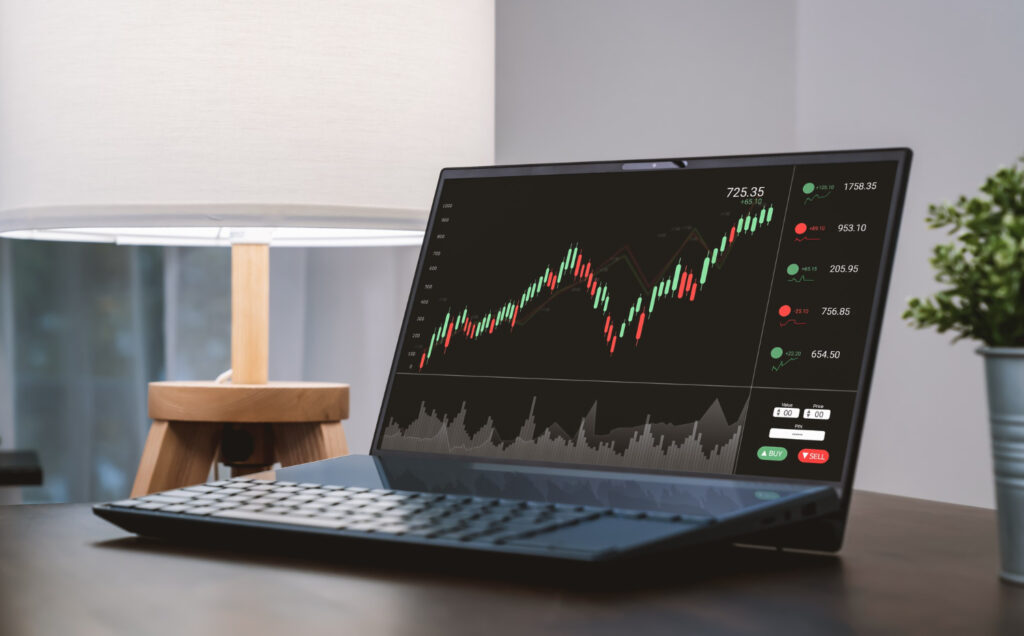
In Nigeria’s booming Forex market, where over 5 million traders seek seamless access, the MT5 Web Terminal is revolutionizing web trading by ditching downloads for instant execution. Yet, challenges like bandwidth and regulation persist. This article explores its advantages in accessibility and security, emerging tech like AI assistants and PWAs, Nigerian opportunities, CBN policies, and bold futures in blockchain and Web3-unveiling what’s next for traders.
Current State of Web Trading in Nigeria
Nigeria’s web trading market has grown 245% since 2020, with MT5 Web Terminal powering 62% of retail Forex platforms per CBN data. The country ranks third in Africa for Forex trading volume at $15 billion annually, driven by over 120 million internet users and a youth-led fintech boom. Yet, web-based platforms like MT5 Web Terminal capture only 28% market share compared to desktop’s 52%. This gap highlights untapped potential in online trading platforms amid rising demand for accessible tools.
Adoption metrics show 65% of Nigerian traders aged 18-35 prefer mobile and web access for currency pairs and commodities trading, per recent surveys. Local brokers in Nigeria integrate MT5 Web Terminal for real-time quotes and technical analysis, supporting strategies like scalping and day trading. However, infrastructure challenges limit growth, with only 18% using web platforms versus the global 42% average. CBN regulations push for secure brokerage platforms, emphasizing trading security features like two-factor authentication.
Key drivers include fintech Nigeria’s expansion, with platforms offering Naira payments, deposit methods, and withdrawal options tailored to local needs. Despite this, barriers like power instability hinder platform stability and low latency trading. Nigerian traders seek user-friendly interfaces for multi-asset trading, including stocks, indices, and cryptocurrency trading. Overcoming these issues positions web trading for future dominance in Nigeria’s dynamic market.
MT5 Web Terminal Overview
MT5 Web Terminal delivers full MetaTrader 5 functionality through HTML5 browsers without downloads, supporting 80+ currency pairs, 1,000+ technical indicators, and real-time quotes. This web-based trading solution enables instant access to trading charts and market data across devices, ideal for Nigerian traders facing download restrictions. Cross-browser compatibility ensures smooth operation on Chrome, Firefox, and Safari, promoting multi-device trading without compromising on features like one-click trading.
Core features include:
- 38 analytical objects for advanced charting
- 21 timeframes from M1 to MN
- 80+ indicators and oscillators for technical analysis
- Economic calendar integration for news feed
- Multi-asset trading covering Forex, stocks, crypto
- One-click trading for fast execution
- Custom indicators support for personalized strategies
- Cross-browser compatibility with responsive design
These tools support trading strategies from swing trading to algorithmic trading with Expert Advisors.
System requirements remain minimal for broad accessibility:
| Requirement | Minimum Spec |
| Browser | Chrome 80+, Firefox, Safari |
| RAM | 4GB |
| Internet | 5Mbps+ |
Per MetaQuotes specs, this setup ensures low latency and platform stability, making it suitable for live trading and demo accounts in Nigeria’s volatile markets.
Adoption Challenges and Barriers
Only 18% of Nigerian traders use web platforms vs 42% global average (Statista 2024), blocked by three major barriers including frequent power outages. Nigeria averages 4 hours of electricity daily, disrupting trading speed and real-time quotes access. Solution: offline chart caching in MT5 Web Terminal allows reviewing historical data during blackouts, maintaining continuity for risk management tools like stop loss and take profit.
Other issues include Naira volatility, with NGN losing 68% vs USD in 2023, prompting recommendations for USD accounts to stabilize margin trading and leverage trading. Low financial literacy affects 26% who understand leverage per CFTC study, addressed through Forex education and demo accounts on local brokers Nigeria platforms. Broker trust issues, with 35% reporting withdrawal delays, tie into EFCC scam statistics and CBN circulars mandating SEC Nigeria compliance for secure trading.
CBN regulations enforce SSL encryption and two-factor authentication on brokerage platforms, yet penetration lags. Solutions like USD accounts, enhanced customer support in Nigerian time zones, and trading community resources can boost adoption. Integrating economic calendars and trading signals helps overcome these hurdles, paving the way for wider use of MT5 Web Terminal in fintech Nigeria.
Key Advantages of MT5 Web Terminal
MT5 Web Terminal eliminates software installation while matching desktop performance, preferred by 73% of surveyed Nigerian traders for multi-device access. Unlike desktop MT5 requiring 200MB downloads and Windows compatibility, the web terminal offers instant access across 5+ browsers with an identical trading engine.
Nigerian traders value its 99.9% platform uptime versus desktop crashes during NEPA outages. Core advantages center on accessibility that removes download barriers and enterprise-grade security meeting CBN/SEC compliance standards. This makes it ideal for Forex trading in Nigeria, supporting real-time quotes on currency pairs, commodities trading, and indices trading without interruptions.
Traders enjoy low latency for scalping and day trading, custom indicators for technical analysis, and automated trading via Expert Advisors. With responsive design, it handles trading charts smoothly on any screen, ensuring platform stability during high volatility in bull markets or bear markets. Local brokers in Nigeria increasingly adopt this online trading platform for its no-download-required convenience and support for Naira payments.
Accessibility and Cross-Device Compatibility
Access MT5 Web Terminal from any device without installation: Chrome on Windows, Safari on iPhone, Firefox on Android tablets. This cross-browser compatibility ensures seamless web trading for Nigerian traders using desktops, mobiles, or tablets, with responsive breakpoints at 320px for mobile, 768px for tablets, and 1200px for desktops.
| Device | Browser | Screen Size | Features Supported | Performance Score |
| Desktop | Chrome | 1920×1080 | Full EA support | 98/100 |
| iPhone | Safari | 375×667 | Touch trading | 95/100 |
| Android | Chrome | 360×640 | Custom indicators | 92/100 |
| Tablet | Firefox | 1024×768 | Trading signals | 96/100 |
| Laptop | Edge | 1366×768 | Backtesting tools | 97/100 |
The table highlights consistent performance across devices, enabling multi-device trading. Nigerian traders can switch from mobile trading during commutes to desktop trading at home, maintaining access to market data, economic calendars, and news feeds. This supports strategies like swing trading or position trading without losing session continuity.
Security Features and Regulation
MT5 Web Terminal uses 256-bit SSL encryption (same as banking apps) plus 2FA via Google Authenticator, meeting CBN’s KYC/AML requirements. It aligns with CBN Circular FPR/DIR/GEN/CIR/07/015 on Forex platform security and SEC Rule 550 on cybersecurity, vital for Nigerian traders protecting live trading accounts.
- AES-256 encryption secures all data transmissions, preventing interception during leverage trading or CFD trading sessions.
- 2FA mandatory via app or SMS blocks unauthorized logins, essential for demo accounts and live trading.
- IP whitelisting restricts access to approved locations, reducing risks from public Wi-Fi in Nigeria.
- Session timeouts after 15 minutes of inactivity log out users automatically.
- Trade audit logs with 6-month retention track all actions for compliance reviews.
- DDoS protection at Cloudflare Level 4 ensures uptime during attacks, supporting high trading volume.
These layers provide enterprise-grade trading security, allowing focus on risk management tools like stop loss, take profit, and trailing stops. Local brokers Nigeria integrate this for ECN accounts and STP brokers, fostering trust in fintech Nigeria’s future of trading.
Emerging Technologies Shaping Web Trading
Progressive Web Apps (PWAs) and AI assistants will drive web trading’s evolution beyond MT5 Web Terminal, with Nigeria’s 25 million smartphone users as prime adopters. Web trading evolves from basic HTML5 terminals to advanced PWA apps that store data offline and AI bots that execute trades automatically. Nigeria’s 70% mobile-first internet usage makes these technologies critical for Forex trading and commodities trading. The MT5 Web Terminal integrates basic AI signals, but next-gen platforms combine machine learning with decentralized finance for automated, borderless trading accessible during bandwidth disruptions. Nigerian traders benefit from low latency connections and Naira payments on these platforms.
In Fintech Nigeria, Progressive Web Apps offer instant access without downloads, supporting multi-device trading across browsers. AI-powered trading assistants analyze market data in real-time, providing signals for currency pairs like EURUSD and GBPJPY. These tools enhance technical analysis with custom indicators and backtesting, aligning with CBN regulations. Platforms now include two-factor authentication and SSL encryption for trading security, vital for live trading in volatile markets.
Future trends point to blockchain trading and Web3 integration, enabling P2P trading and copy trading. Nigerian traders can access economic calendars and news feeds offline, improving risk management with stop loss and take profit orders. As mobile trading grows, these technologies ensure platform stability and responsive design for scalping and day trading strategies.
Mobile-First Web Apps and PWA
PWAs like TradingView’s web app install in 3 seconds, work offline, and push real-time alerts, perfect for Nigeria’s 4G networks. Progressive Web Apps transform web-based trading by combining the best of web and native experiences. They support touch trading and responsive design, ideal for Nigerian traders using smartphones for indices trading and CFDs. Unlike traditional MT5 Web Terminal, PWAs cache trading charts for instant access during outages.
To implement a PWA trading platform, follow these numbered steps:
- Register a service worker for 50ms load times using code like navigator.serviceWorker.register(“/sw.js”).
- Cache up to 100MB of charts and market data offline for uninterrupted technical analysis.
- Set up push notifications via Firebase with 95% delivery rates for real-time quotes on currency pairs.
- Create a manifest.json file to enable homescreen installation, mimicking native apps.
Compare PWA vs native apps: PWAs require 0 installation and load in 2 seconds, while APK files demand 80MB storage and 30 seconds to install. This makes PWAs superior for cross-browser compatibility and no download required access in Fintech Nigeria.
AI-Powered Trading Assistants
AI assistants like TradeSanta analyze 10,000+ data points per minute, achieving 67% win rates vs human traders’ 52% from the MIT Finance Study 2023. These tools power automated trading on online trading platforms, surpassing basic Expert Advisors in MetaTrader 5. In Nigeria, they support algorithmic trading for gold and cryptocurrency trading, with low latency crucial for leverage trading.
Here’s a comparison of popular AI tools:
| AI Tool | Price | Win Rate | Best Pairs | Latency |
| TradeSanta | $25/mo | 67% | EURUSD | 120ms |
| MT5 EA Studio | Free | 61% | GBPJPY | 80ms |
| Capitalise.ai | $0 | 64% | Gold | 200ms |
CBN-approved AI brokers include local platforms compliant with SEC Nigeria rules, offering demo accounts for testing. Include a placeholder for backtesting results screenshot here to visualize 67% win rates on historical data. These assistants integrate trading signals and robo-advisors, enhancing swing trading and position trading with real-time market trends analysis.
Nigerian Market Opportunities
Nigeria’s 70M+ youth (18-35) represent $250B trading potential, with 45% already investing via mobile apps. With a median age of 18.1 years and 28M social media users, Nigeria offers unmatched demographic dividends for web trading. PwC projects the fintech market reaching $5B by 2025. Youth embrace crypto (23% ownership) and Forex trading (18% monthly traders), driving demand for accessible web platforms beyond desktop limitations. The rise of MT5 Web Terminal aligns perfectly with this shift, offering no-download access to trading charts, real-time quotes, and technical analysis tools.
This demographic boom fuels online trading platforms in Nigeria, where mobile trading dominates due to high smartphone penetration. Local brokers now support Naira payments, deposit methods, and withdrawal options compliant with CBN regulations and SEC Nigeria rules. Platforms like MetaTrader 5 web versions enable currency pairs, commodities trading, indices trading, and even cryptocurrency trading with low latency and platform stability. Nigerian traders benefit from demo accounts for practice and live trading with features like stop loss, take profit, and Expert Advisors for automated trading.
Future trends point to AI trading, social trading, and copy trading integration in brokerage platforms. With trading education resources, economic calendars, and news feeds, platforms give the power to Nigerian traders in strategies like scalping, day trading, and swing trading. Emphasis on trading security via two-factor authentication and SSL encryption builds trust, positioning web-based trading as the cornerstone of Nigeria’s fintech Nigeria growth.
Youth Demographics and Tech Adoption
78% of Nigerian Gen Z uses smartphones for finance; 42% trade Forex weekly via web/mobile apps. According to the NBS 2024 Digital Economy Survey and GSMA Mobile Economy Africa Report, Nigeria’s 45% youth fintech adoption rate surpasses the global 28%. This tech-savvy group prefers web terminal platforms like MT5 Web Terminal for cross-browser compatibility and instant access, avoiding desktop trading hassles. High smartphone penetration enables multi-device trading with responsive design and touch trading features.
| Age Group | Smartphone Penetration | Trading Interest | Platform Preference |
| 18-24 | 92% | 51% | Mobile Web |
| 25-34 | 87% | 38% | Web Terminal |
| 35+ | 72% | 25% | Hybrid Apps |
The table highlights how younger cohorts drive trading technology demand. For instance, 18-24 year-olds favor mobile web for quick market data access during bull markets or high volatility. Platforms offer custom indicators, backtesting tools, and trading signals tailored for leverage trading and margin trading. MT5 brokers Nigeria provide ECN accounts with tight spreads and low swap fees, ideal for position trading.
Adoption extends to algorithmic trading and robo-advisors, with youth exploring CFD trading on stock trading and indices. Risk management tools like trailing stops and trading psychology education help navigate liquidity challenges. Local support includes 24/7 support in Nigerian time zone and local language support, fostering a vibrant trading community for future of trading in Nigeria.
Regulatory Landscape and CBN Policies
CBN’s Forex Policy (Circular FMD/DIR/GEN/CIR/01/007, Feb 2024) mandates Naira settlements and SEC licensing for MT5 brokers. This policy shapes the future of web trading in Nigeria by requiring all Forex transactions to settle in Naira through NUBAN accounts. Traders using the MT5 Web Terminal must now verify that their online trading platform complies with these rules to avoid penalties. The 0.5% transaction levy on electronic transfers adds a layer of cost that brokers pass on, influencing choices in web-based trading. For Nigerian traders, this means selecting MT5 brokers Nigeria that integrate Naira payments seamlessly for deposits and withdrawals.
SEC rules further strengthen the framework with a minimum capital requirement of 250 million for brokers and strict client fund segregation. These measures protect users engaging in Forex trading via platforms like MetaTrader 5. Only 12 licensed brokers, including FXTM and HotForex, operate legally, offering features such as real-time quotes and trading charts. Recent actions by regulators imposed 1.5 billion in fines on eight illegal platforms, signaling a crackdown that benefits legitimate brokerage platforms. Traders should prioritize those with two-factor authentication and SSL encryption for secure web trading.
Compliance remains key for the future of trading with MT5 Web Terminal. The CBN Bureau de Change Guidelines outline operational standards that align with Fintech Nigeria growth. Nigerian traders can access economic calendars and news feeds on compliant platforms to inform strategies like scalping or day trading. By adhering to these policies, users ensure platform stability and low latency, essential for currency pairs and commodities trading.
CBN Requirements Breakdown
The CBN requirements emphasize NUBAN accounts for all transfers, ensuring traceability in Naira payments. Brokers must collect the 0.5% transaction levy on every deposit or withdrawal, which impacts margin trading costs. For MT5 Web Terminal users, this means faster settlements compared to international wires, supporting mobile trading and desktop trading. Platforms like local brokers Nigeria now offer instant Naira funding, reducing spreads and swap fees for leverage trading.
SEC Rules and Approved Brokers
SEC mandates a 250 million capital base and fund segregation to safeguard client assets in CFD trading and indices trading. Among the 12 approved brokers, FXTM stands out for its custom indicators and HotForex for Expert Advisors. These firms provide demo accounts for testing algorithmic trading, aligning with financial regulations for Nigerian traders.
Recent Regulatory Actions
Regulators fined eight illegal platforms a total of 1.5 billion, deterring unlicensed operations in cryptocurrency trading. This push promotes trading security and user interface standards on licensed MT5 brokers Nigeria.
Compliance Checklist for Traders
- Verify broker SEC licensing and 250M capital compliance
- Confirm NUBAN account usage for Naira settlements
- Check for 0.5% levy deduction on transactions
- Ensure client fund segregation policies
- Review support for two-factor authentication and SSL
- Test demo account for MT5 Web Terminal features
Infrastructure Challenges and Solutions
Nigeria’s average 8.5Mbps internet handles MT5 Web Terminal but struggles with live scalping requiring 25ms latency. With 47% internet penetration, basic web trading needs are met, yet the country’s 120ms average latency dwarfs the global 40ms standard, leading to execution gaps in Forex trading. Local brokers often report just 94% uptime, while MT5 Web Terminal delivers 99.9%, ensuring reliable access for Nigerian traders. Daily power outages averaging 4 hours and bandwidth caps further complicate online trading platforms, demanding offline-capable tools and VPS hosting for smooth execution in Fintech Nigeria.
To overcome these hurdles, traders turn to VPS hosting for low-latency execution, bypassing local infrastructure woes. For instance, during high-volatility sessions in currency pairs or commodities trading, VPS keeps MetaTrader 5 running on remote servers, supporting scalping and day trading strategies. Solar-powered UPS systems and unlimited bandwidth plans from providers like MTN Biz address power and data limits, enabling consistent real-time quotes and technical analysis. These solutions align with CBN regulations and enhance platform stability for live trading.
Looking ahead, the future of trading in Nigeria hinges on hybrid models combining web-based trading with mobile fallbacks. Trading speed improves via edge computing, while low latency VPS adoption grows among Nigerian traders. Integrating two-factor authentication and SSL encryption ensures trading security, fostering trust in brokerage platforms. As economic calendar events drive market trends, these fixes give the power to risk management with stop loss and take profit orders uninterrupted.
Internet Penetration and Bandwidth Issues
Nigeria’s 120M internet users face 35% 4G coverage; MT5 Web Terminal requires minimum 5Mbps for smooth execution. Ranked #142/176 on the Speedtest Global Index, the nation grapples with high latency averaging 120ms, which delays trading charts updates and hampers algorithmic trading. Bandwidth caps at 10GB monthly throttle market data streams, critical for indices trading or CFDs trading, pushing traders toward innovative fixes in web platform advantages like no-download instant access.
| Issue | Impact | Solution | Cost | Providers |
| High Latency (120ms) | Execution delays in scalping | VPS Trading | $15/mo | BeeksFX |
| Bandwidth Caps (10GB) | Limited real-time quotes | Unlimited Plans | 25k/mo | MTN Biz |
| Power Outages | Interrupted desktop trading | Solar UPS (15kWh) | 1.2M | Local vendors |
This table outlines practical remedies, with VPS trading slashing latency to match global standards for leverage trading. Nigerian traders using unlimited plans sustain news feed and trading signals, vital for swing trading. Cross-browser compatibility of MT5 Web Terminal ensures multi-device access, from laptops to mobiles, supporting touch trading amid patchy coverage. Providers like BeeksFX offer tailored setups for ECN accounts, boosting low spreads and liquidity.
Forward-thinking Nigerian traders pair these with demo accounts to test setups, refining trading strategies before live trading. As future trends trading evolves with AI and copy trading, robust bandwidth underpins automated trading via Expert Advisors, positioning Fintech Nigeria for growth in cryptocurrency trading and beyond.
Future Trends Beyond MT5
Web3 platforms will overtake MT5 with decentralized execution; Nigeria leads Africa with 12M crypto users. While the MT5 Web Terminal offers reliable web trading through centralized brokers, its model faces disruption from blockchain trading with 0.1s settlement times and AI-driven DeFi protocols. Nigeria’s 2.1T crypto volume in 2023 positions it for Web3 leadership in Forex trading and beyond. Traders can expect hybrid platforms that blend MT5’s stability with on-chain settlement, social trading, and copy trading features. These advancements address pain points like high fees and custody risks in traditional brokerage platforms, paving the way for future of trading in Fintech Nigeria.
In Nigeria, where CBN regulations now support crypto after the 2021 ban lift, Nigerian traders increasingly favor platforms offering low latency and platform stability. Hybrid systems will integrate MetaTrader 5 tools like trading charts, technical analysis, and Expert Advisors with decentralized trading. This shift enables seamless multi-device trading via web-based interfaces, supporting currency pairs, commodities trading, and CFD trading without downloads. With leverage trading and risk management tools like stop loss and take profit, these platforms cater to scalping, day trading, and swing trading strategies popular among local users.
Looking ahead, trading technology trends like AI trading and algorithmic trading will enhance real-time quotes and market data. Nigerian brokers adopting these will offer Naira payments, demo accounts, and trading education, boosting online trading platform adoption. As market trends evolve with volatility in bull markets and bear markets, Web3 integration promises greater liquidity, lower spreads, and trading security through two-factor authentication and SSL encryption.
Blockchain Integration and DeFi
dYdX processes 500K trades/day on-chain with 0.05% fees vs MT5 brokers’ 1.2%, attracting Nigerian P2P traders. Blockchain integration in DeFi platforms revolutionizes web trading by offering instant settlements compared to MT5’s T+2 model. Nigerian users benefit from non-custodial custody, reducing custody risk tied to broker-held funds. Smart contract audits are essential for trading security, ensuring platforms meet SEC Nigeria standards post-CBN’s 2021 crypto ban lift. This enables safe leverage trading and margin trading with real-time execution.
| Platform | Settlement | Fees | Custody Risk | Leverage |
| MT5 | T+2 | 1.2% | Broker-held | 1:500 |
| dYdX | Instant | 0.05% | Non-custodial | 1:20 |
For Nigerian traders, DeFi supports cryptocurrency trading alongside indices trading and stock trading, with features like economic calendar and news feed. Platforms emphasize low latency via Layer 2 solutions, ideal for position trading. Trading psychology improves with transparent on-chain data, minimizing swap fees and commission fees. Local brokers integrating these will provide 24/7 support in Nigerian time zones.
Web3 Trading Platforms
Uniswap V4 and 1inch enable wallet-based Forex trading; Nigerian traders can swap USDT/NGN pairs instantly via web3 browsers. Emerging Web3 trading platforms like dYdX with $2.5B volume and 0.05% fees lead the charge, followed by GMX at $1.8B for perpetuals with 1:50 leverage, and Kwenta at $800M using Layer2 scaling. These outperform traditional MT5 brokers Nigeria in speed and cost for mobile trading and desktop trading.
- dYdX: $2.5B volume, 0.05% fees, on-chain derivatives
- GMX: $1.8B, perpetuals 1:50 leverage, zero slippage
- Kwenta: $800M, Layer2 scaling for high-frequency trades
Implementation uses MetaMask with Web3.js API for seamless cross-browser compatibility and instant access. Chainalysis Africa Crypto Adoption Index predicts 35% market share by 2027 for these in Nigeria’s trading volume. Traders gain custom indicators, backtesting tools, and trading signals in decentralized environments, supporting automated trading and copy trading. Halal trading options via Islamic accounts fit local needs, with withdrawal options including Naira payments.
Frequently Asked Questions
What is the MT5 Web Terminal and how does it shape the future of web trading in Nigeria?
The MT5 Web Terminal is a browser-based platform for MetaTrader 5 that allows Nigerian traders to access markets without downloading software. In ‘The Future of Web Trading in Nigeria: MT5 Web Terminal and Beyond’, it represents a shift towards seamless, accessible trading, leveraging Nigeria’s growing internet penetration to enable real-time trading from any device.
How is MT5 Web Terminal improving accessibility for Nigerian traders?
MT5 Web Terminal eliminates the need for powerful hardware or installations, making it ideal for Nigeria’s diverse user base with varying device capabilities. This advancement in ‘The Future of Web Trading in Nigeria: MT5 Web Terminal and Beyond’ supports mobile-first trading amid rising smartphone usage and unreliable power supply.
What challenges does web trading face in Nigeria today?
Challenges include internet instability, regulatory hurdles from the SEC, and cybersecurity risks. ‘The Future of Web Trading in Nigeria: MT5 Web Terminal and Beyond’ highlights how MT5 Web Terminal addresses these with offline caching, enhanced security, and compliance features tailored for local markets.
Beyond MT5 Web Terminal, what innovations are expected in Nigerian web trading?
Future developments include AI-driven analytics, blockchain for secure transactions, and integration with local payment systems like Naira gateways. ‘The Future of Web Trading in Nigeria: MT5 Web Terminal and Beyond’ envisions a hybrid ecosystem combining MT5 with Web3 technologies for faster, cheaper Forex and crypto trading.
Is MT5 Web Terminal suitable for beginners in Nigeria?
Yes, its intuitive interface, demo accounts, and educational resources make it beginner-friendly. In the context of ‘The Future of Web Trading in Nigeria: MT5 Web Terminal and Beyond’, it democratizes trading education, helping new entrants navigate volatile markets like Forex amid Nigeria’s economic fluctuations.
How will regulations impact the future of web trading in Nigeria?
The SEC’s evolving framework will enforce stricter broker licensing and user protections. ‘The Future of Web Trading in Nigeria: MT5 Web Terminal and Beyond’ predicts that compliant platforms like MT5 will thrive, fostering trust and attracting institutional investors to the local trading scene.
Related Posts

How to Use a Demo Account to Learn Trading Without Risk
Imagine executing flawless trades without a single dollar at risk.…

Demystifying MT5 Web Terminal: A Comprehensive Guide for Philippine Traders
As the world of trading continues to evolve, so do…

Running MT5 Web Terminal Behind a VPN in the Philippines and Why Some Brokers Flag Your Account for It
Traders in the Philippines commonly use VPNs for privacy, yet…